
Hello Friends.
Yet again another no-tailoring-omg post.
As you all know I’ve been knitting up a storm in the last 9 months or so. I have to say knitting is way more relaxing than sewing, not to mention portable and fairly mindless, so naturally it fits very well in my WFH/office life.

After seeing how somebody seemingly reinvented the wheel with their own charting system and fonts (I mean cool for the fonts, but still), I mentioned here and there that Japanese knitting and crocheting patterns are fully charted instead of written, and several people have asked me to expand on this statement. I was frankly a bit surprised this is not common as I recall clearly both my grandmas and my mother using charts exclusively, and found the written instructions quite odd. Maybe it was a thing in the past?
Personally, I also find knitting instructions often hard to parse and with disorganized layouts, problems you don’t really have with charted patterns. Maybe it’s due to being ASD and OCD, but I often struggle reading them and I frequently have to make my own scheme and chart, which makes knitting yet another thing I need to prepare for.
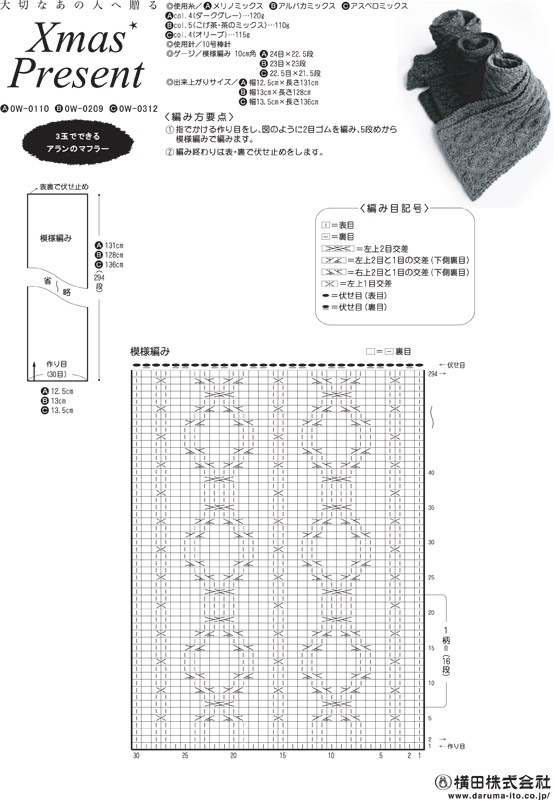
In addition, charting makes pattern universal, as there is no language issue (aka you don’t need to speak Japanese/other language to read them) and who doesn’t like that. For example, if you go to a Japanese newsagents and purchase a knitting magazine (yes, sewing and knitting magazines are very much a thing here), you would have no written instructions at all, just photos of the garments and, on the back of the issue, pages of charts like the one below, with measurements of the finished garment and other Information.
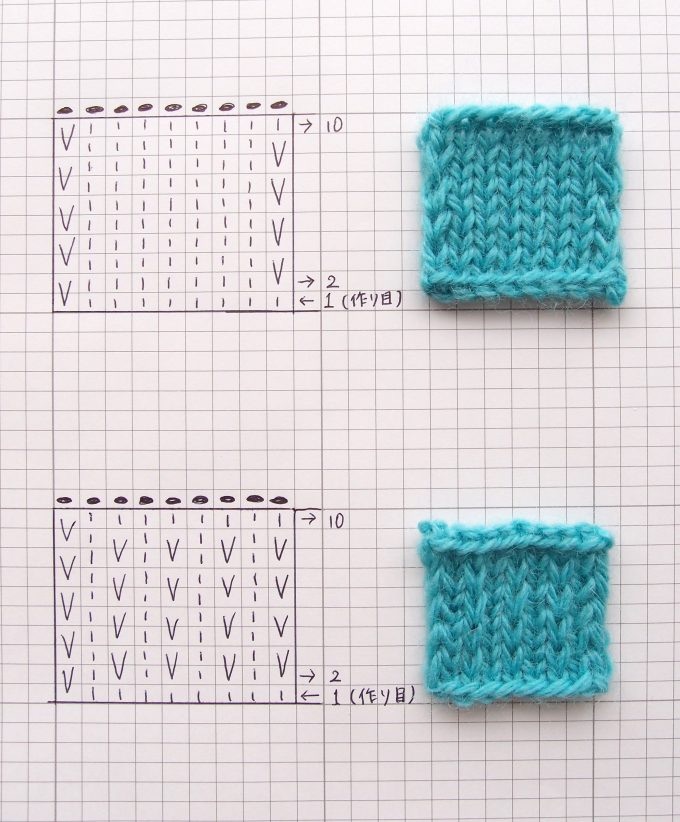
After this long preamble, let’s get down to the charts themselves: there are obviously a million stitches so for now I have made sketches of basic stitches as well as some increases and decreases (see this post’s attachments below). Cables, crossing stitches, and twists are a thing so I need to assemble some cohesive guide of various methods and other specialty stitches. This website is a good starting point but there is obviously more to it than this. I am waiting on a book to come so hopefully I can present you with a fairly complete guide to Japanese charting and not just increases and decreases.
In the meantime, you can find the first part attached below. Enjoy!

 Making&Candor
Well I guess I’m buying knitting mags next time I’m in Tokyo! I love charts and wish we had more of them in US-based patterns.
LikeLike
They are great. So easy to understand.
LikeLike